Making smart food choices isn’t about strict dieting or avoiding every indulgence—it’s about creating balanced, sustainable habits that support your health, energy, and overall well-being. Smart food choices help you feel fuller, maintain a healthy weight, boost immunity, and reduce the risk of chronic diseases.
This guide will show practical strategies for choosing foods wisely, building balanced meals, and making healthier decisions every day without feeling overwhelmed.
Why Smart Food Choices Matter
Eating well affects your body and mind:
-
Energy levels: Balanced meals prevent fatigue and brain fog.
-
Weight management: Choosing nutrient-rich foods supports healthy weight.
-
Gut health: Fiber from fruits, vegetables, and whole grains improves digestion.
-
Disease prevention: Smart choices reduce risk of heart disease, diabetes, and obesity.
-
Better mood: Stable blood sugar from whole foods improves mental clarity.
Smart food choices are about quality, not just quantity.
1. Focus on Whole, Minimally Processed Foods
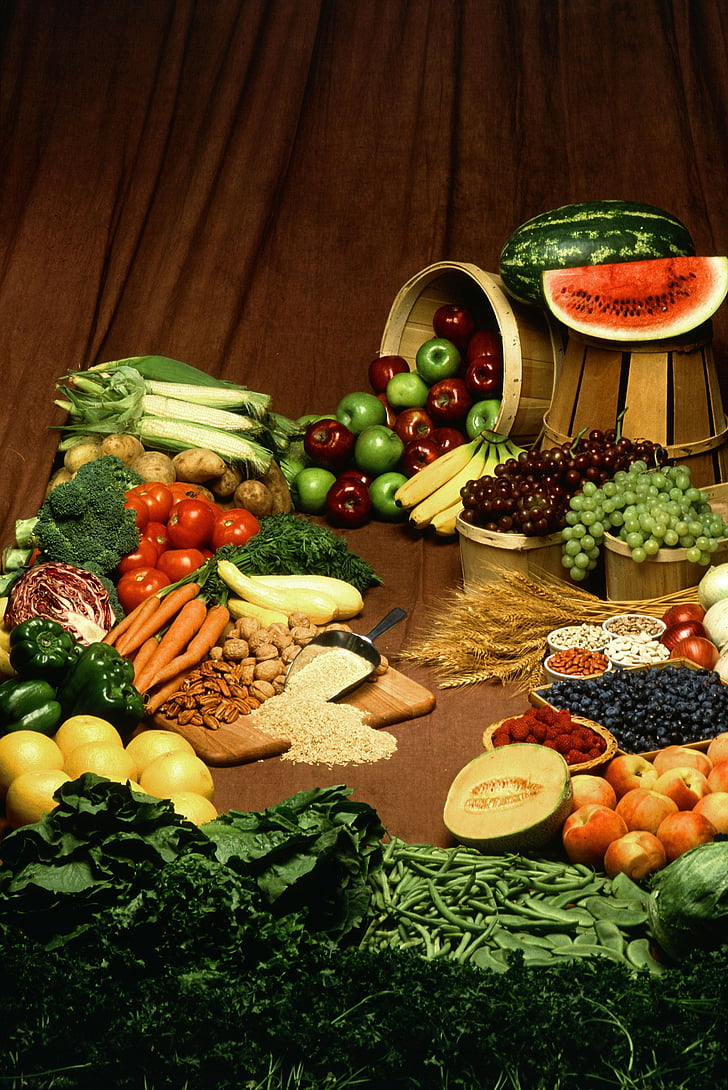

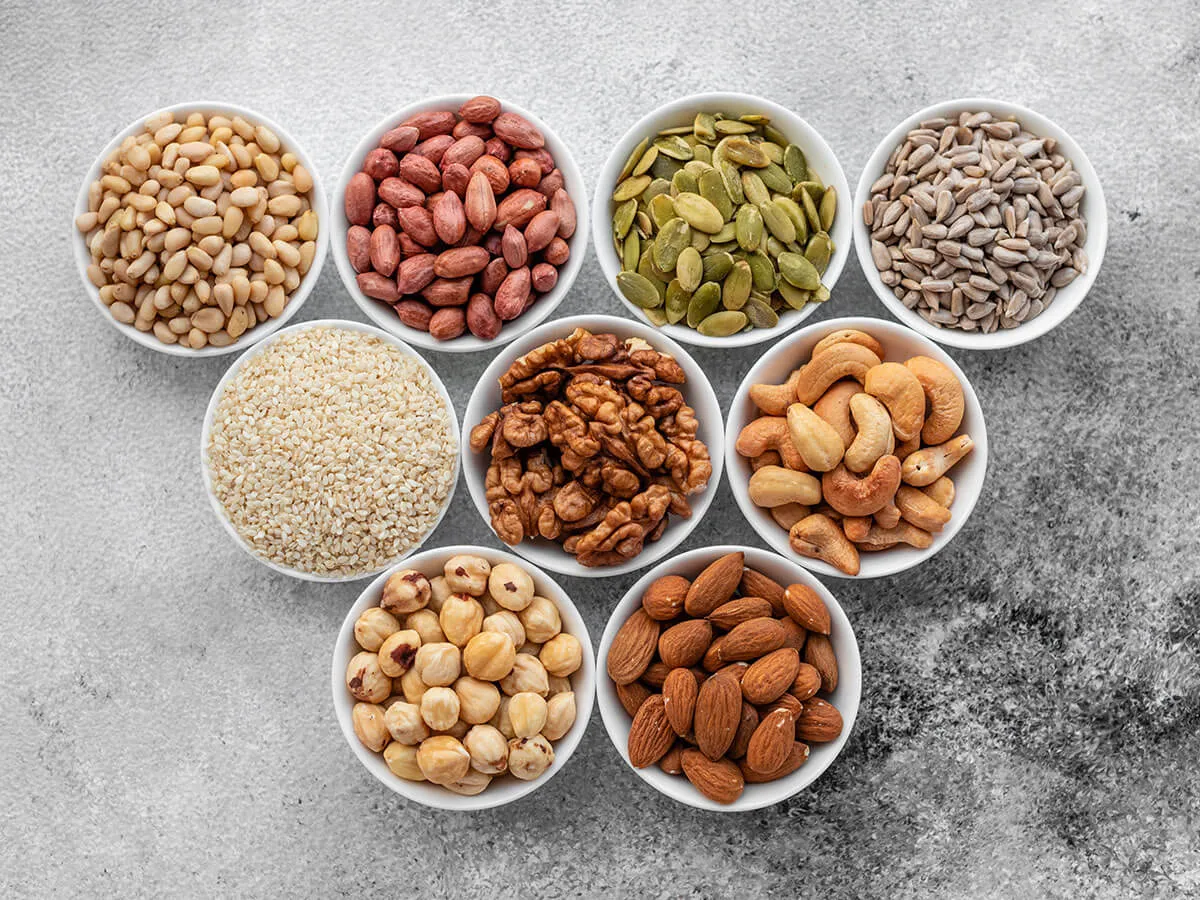
Whole foods are packed with nutrients and fiber while being lower in added sugars and unhealthy fats.
Smart Tips:
-
Choose fresh vegetables and fruits over packaged snacks.
-
Select whole grains like brown rice, quinoa, or oats instead of refined white flour.
-
Pick lean proteins: fish, chicken, eggs, beans, or tofu.
-
Minimize highly processed foods with added sugar, salt, and preservatives.
2. Balance Your Plate
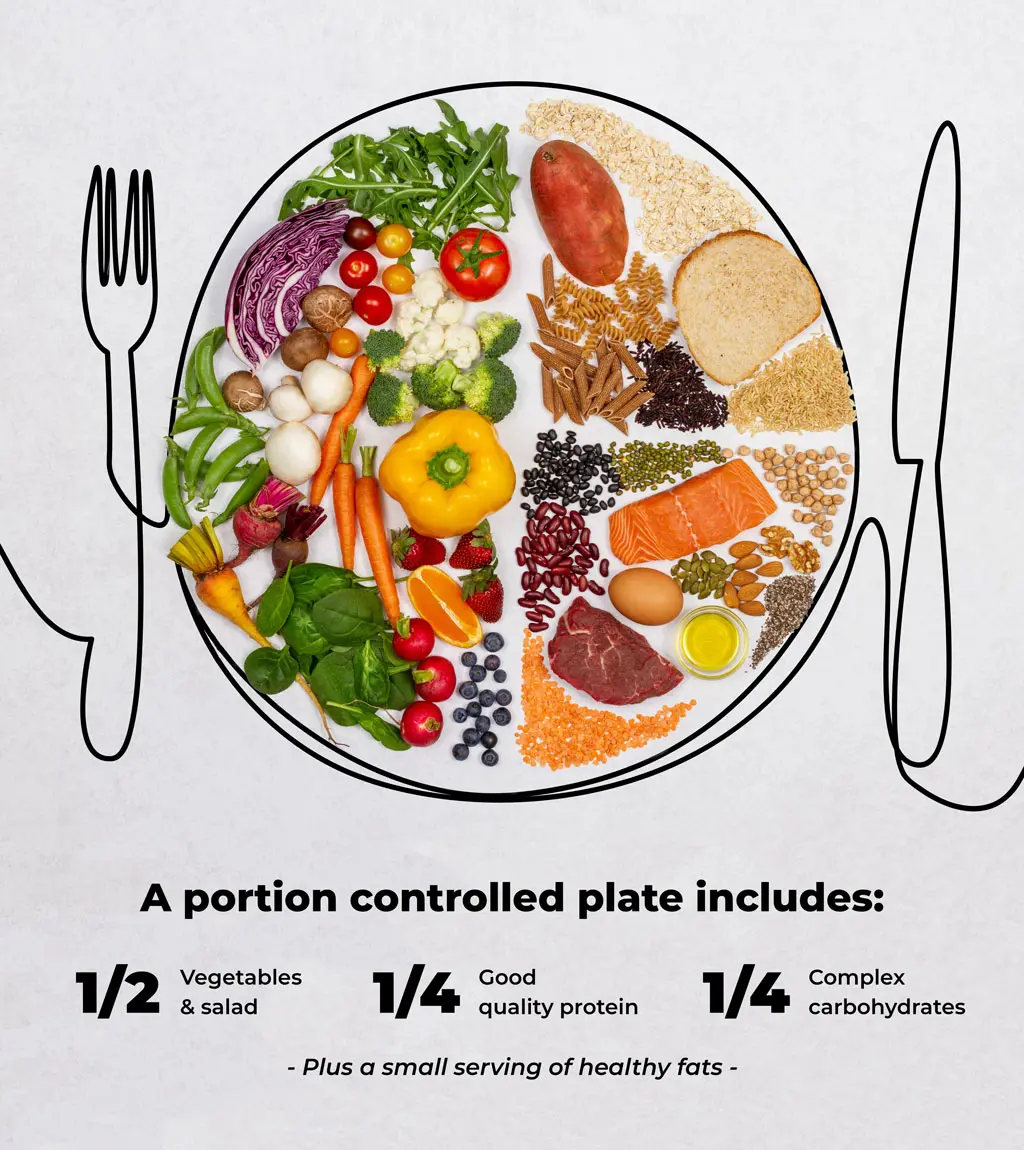
A simple way to eat smarter is to structure your plate for balanced nutrition:
-
Half plate: Vegetables and fruits for fiber, vitamins, and minerals.
-
Quarter plate: Lean protein for muscle repair and satiety.
-
Quarter plate: Whole grains for energy and fiber.
-
Add healthy fats: Nuts, seeds, avocado, or olive oil for brain and heart health.
Balanced plates keep you fuller longer and prevent overeating.
3. Mindful Eating Habits

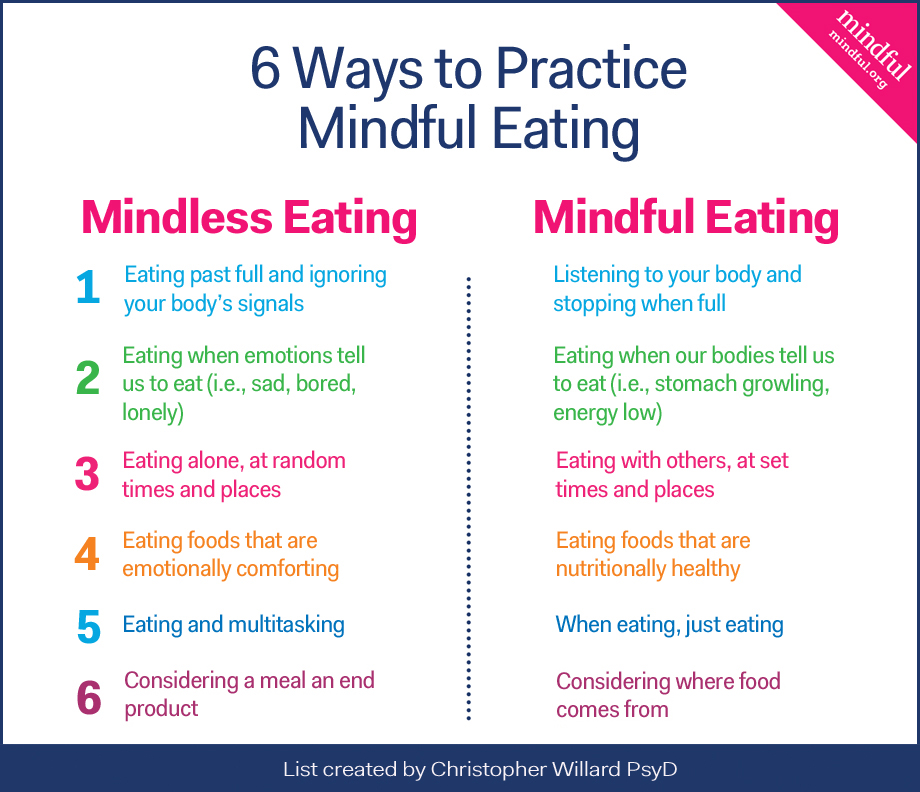
Smart food choices aren’t just about what you eat—they’re also about how you eat.
Tips:
-
Eat slowly to notice fullness cues.
-
Avoid distractions like TV or smartphones while eating.
-
Serve smaller portions first; go back for seconds only if needed.
-
Listen to hunger and satiety signals.
Mindful eating improves digestion and reduces unnecessary calorie intake.
4. Smart Snacking
Snacks can support energy or sabotage your diet. Choose wisely:
Healthy Snack Ideas:
-
Carrot or cucumber sticks with hummus
-
Fresh fruit with a handful of nuts
-
Greek yogurt with berries
-
Roasted chickpeas or edamame
Snacks should combine protein, fiber, and healthy fats to keep blood sugar stable.
5. Hydration Matters
Water is an essential part of smart food choices:
-
Drink water regularly throughout the day.
-
Include herbal teas or infused water for variety.
-
Limit sugary drinks and sodas, which add empty calories.
Proper hydration supports digestion, metabolism, and energy levels.
6. Plan Ahead for Success


Planning prevents impulsive, less healthy choices.
Quick Planning Tips:
-
Prepare ingredients in advance (wash, chop, portion).
-
Keep easy, healthy meals ready for busy days.
-
Buy seasonal produce for affordability and freshness.
-
Rotate meals to maintain variety and avoid boredom.
7. Smart Swaps for Everyday Meals
Small substitutions can make big differences:
-
Use brown rice or quinoa instead of white rice
-
Swap sugary drinks for sparkling water with lemon
-
Replace creamy dressings with yogurt-based or olive oil vinaigrette
-
Use herbs and spices instead of excessive salt
These swaps improve nutrition without sacrificing flavor.
Frequently Asked Questions (FAQs)
1. What does “smart food choices” really mean?
It means selecting foods that are nutrient-rich, minimally processed, and balanced to support health, energy, and overall well-being.
2. Can I still enjoy treats?
Yes! Moderation is key. Occasional indulgences are fine if most of your meals are healthy and balanced.
3. How can I make healthy eating easier?
Plan meals ahead, prep ingredients in bulk, keep healthy snacks available, and use simple, versatile ingredients.
4. Are frozen fruits and vegetables good choices?
Absolutely. Frozen produce is often picked at peak ripeness and retains nutrients.
5. How do I make smart choices when eating out?
Choose grilled or baked dishes, include vegetables, control portion sizes, and limit sugary drinks or fried foods.
Conclusion: Small Choices, Big Impact
Smart food choices are about consistency, balance, and awareness. By focusing on whole foods, balanced plates, mindful eating, and simple swaps, you can improve health without complicated diets.
Start small: add more vegetables to your plate, swap refined grains for whole grains, or keep healthy snacks on hand. Over time, these everyday choices lead to lasting benefits for your energy, weight, and overall wellness.
I can also create a 7-day Smart Food Choices Meal Plan with recipes and shopping list so you have a complete guide to make healthier eating effortless.