Meal planning doesn’t have to be complicated. Quick meal planning helps you save time, reduce stress, eat healthier, and even save money. By organizing your meals for the week, you can avoid last-minute takeout, minimize food waste, and ensure your family enjoys balanced, delicious meals every day.
This guide will walk you through practical strategies for fast meal planning, easy recipe ideas, and tips to stay consistent without feeling overwhelmed.
Why Quick Meal Planning Works
Meal planning provides several key benefits:
-
Saves time: Fewer trips to the grocery store and faster meal prep.
-
Reduces stress: No guessing what to cook at the last minute.
-
Supports healthy eating: Balanced meals become easier to maintain.
-
Cuts costs: Buying ingredients in bulk and using leftovers reduces expenses.
-
Minimizes waste: Planning ensures you use all ingredients efficiently.
Even a simple 15–20 minute planning session can transform your week in the kitchen.
1. Start With a Weekly Template
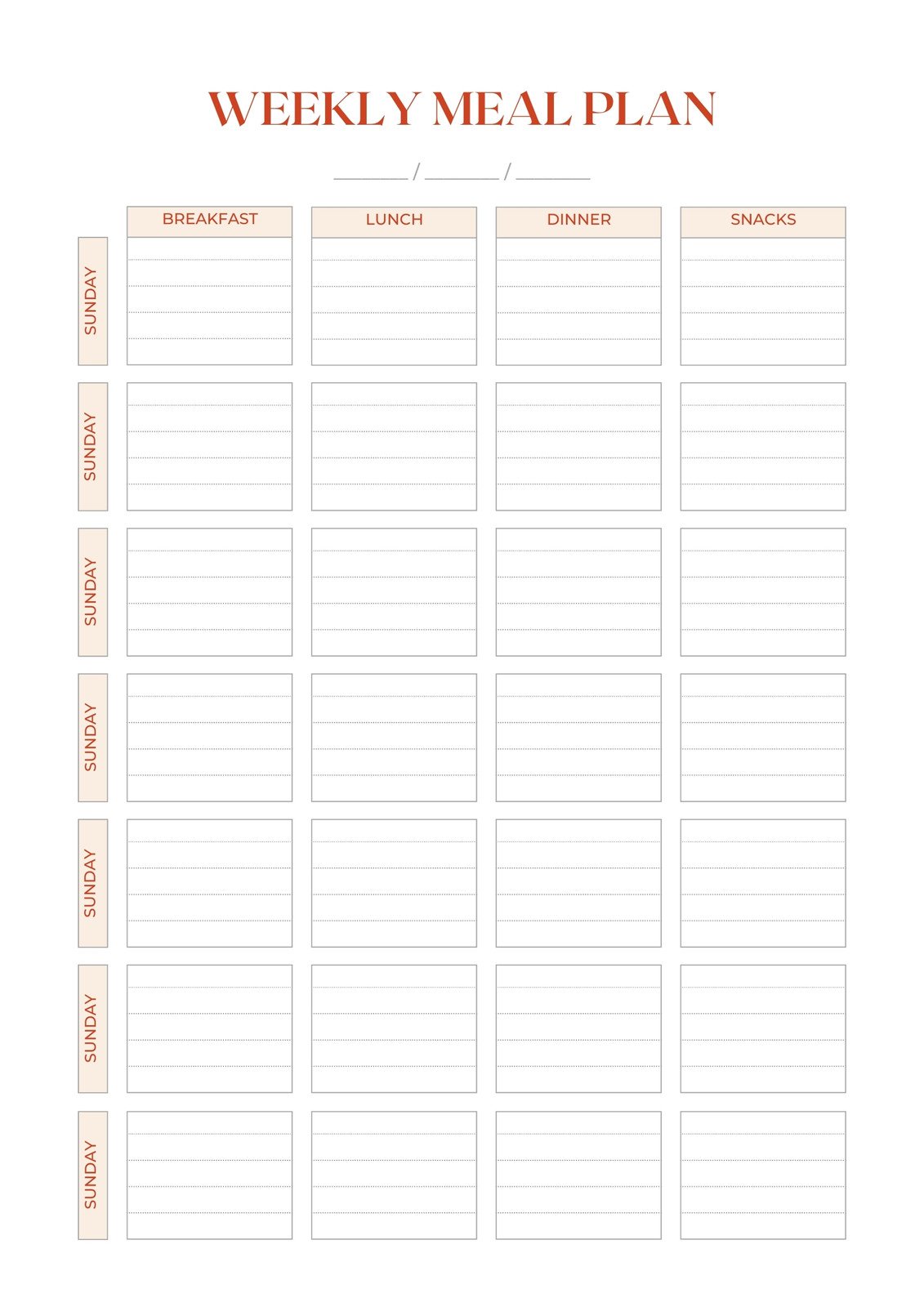
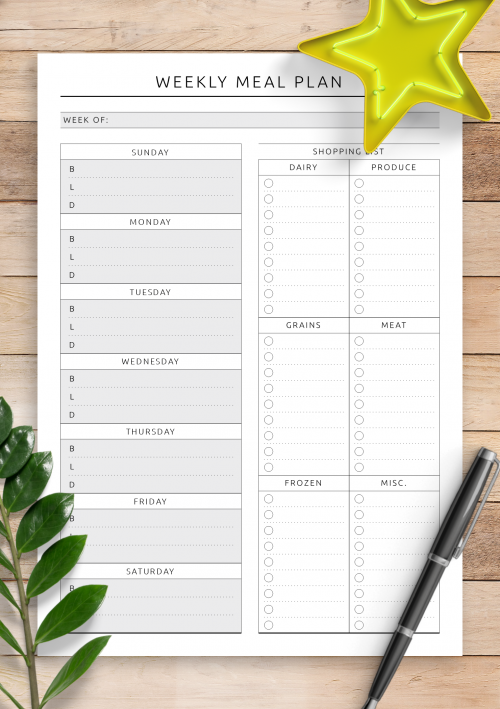

Creating a template simplifies decision-making.
How to Build a Template:
-
Breakfast: 3–4 options repeated throughout the week.
-
Lunch: Quick meals, like salads, sandwiches, or leftovers.
-
Dinner: 4–5 main meals planned with flexible sides.
-
Snacks: Fruit, nuts, or yogurt.
Rotate meals weekly to reduce boredom and maintain variety.
2. Keep Ingredients Versatile
Select ingredients that can be used across multiple meals.
Examples:
-
Chicken breast: Grill for dinner, use in salads or wraps.
-
Brown rice or quinoa: Base for stir-fries, grain bowls, or soups.
-
Frozen vegetables: Quick stir-fry, soup, or roasted side.
-
Eggs: Breakfast omelets, frittatas, or salad topping.
Using versatile ingredients reduces grocery costs and prep time.
3. Plan Around Your Schedule
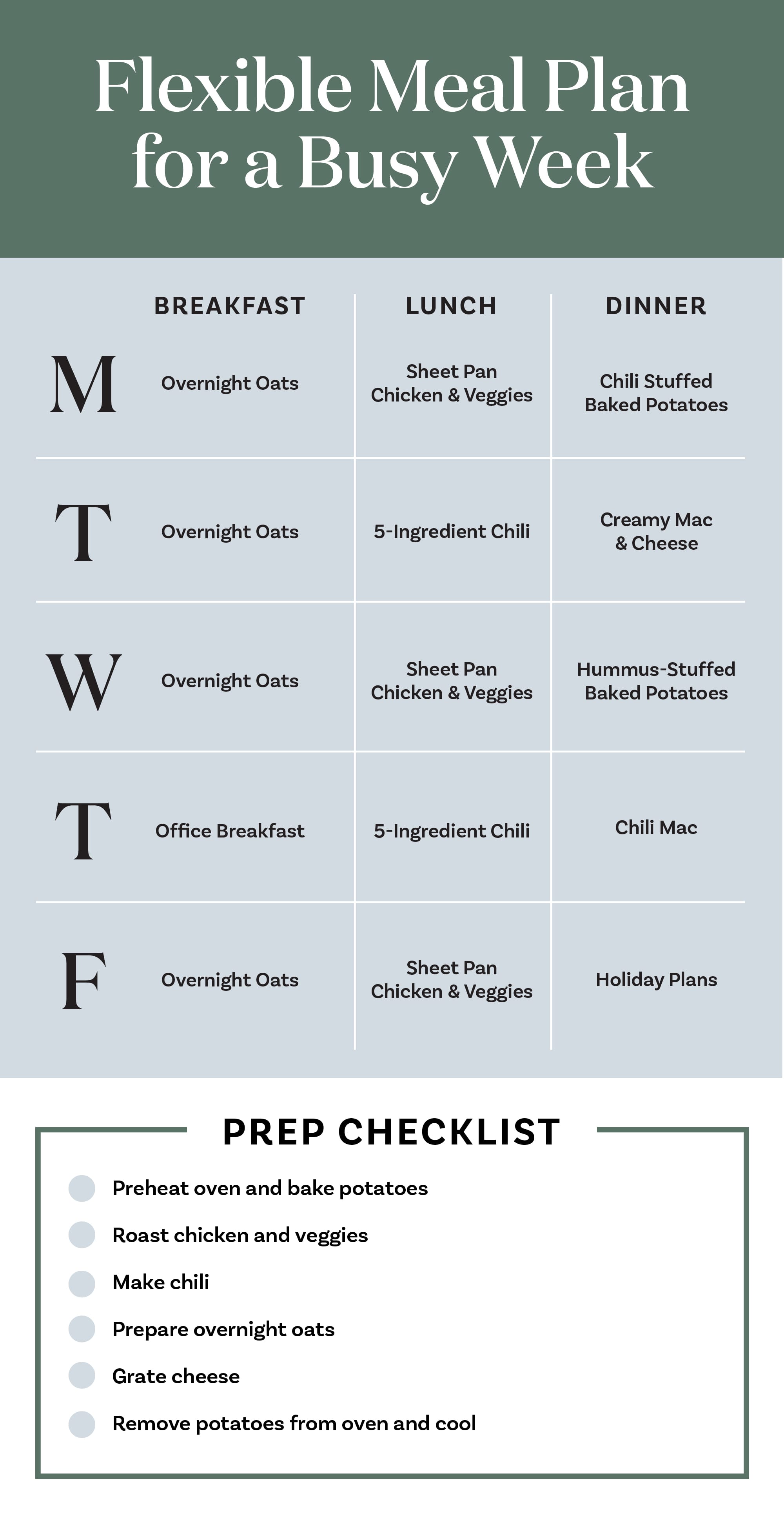
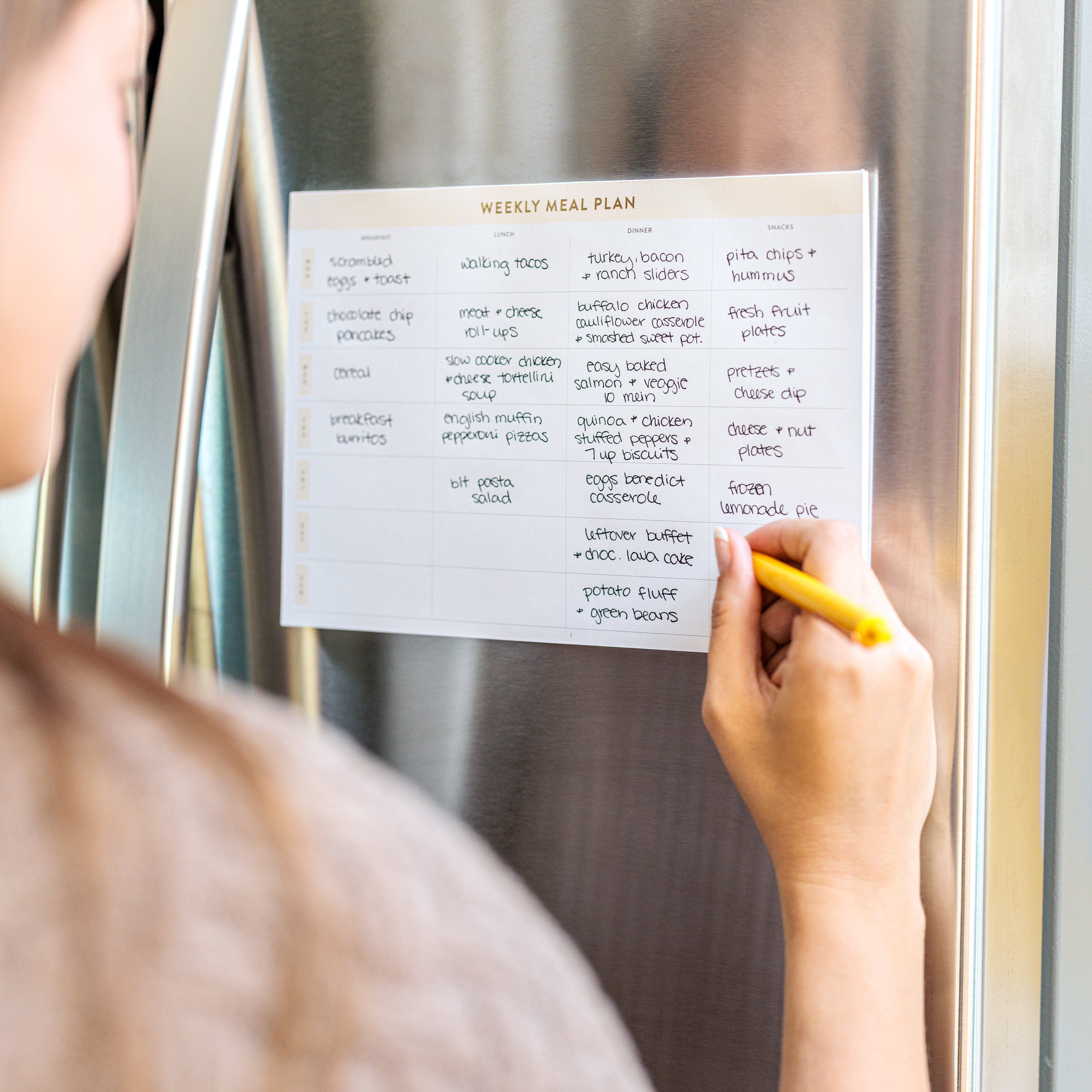

Consider your weekly schedule when planning meals:
-
Weekdays: Quick 20–30 minute meals.
-
Weekends: Batch cooking, slow-cooker meals, or one-pan dinners.
-
Busy nights: Keep simple options ready, like sandwiches or frozen vegetables.
Planning meals to match your available time keeps cooking stress-free.
4. Prep in Advance
Meal prep is a key part of quick meal planning.
Quick Prep Tips:
-
Wash and chop vegetables ahead of time.
-
Cook grains in bulk for multiple meals.
-
Pre-portion snacks for easy grab-and-go options.
-
Store meals in airtight containers for the fridge or freezer.
Even prepping for 30–60 minutes on the weekend can save hours during the week.
5. Mix and Match Proteins, Grains, and Veggies
Creating balanced meals becomes easier when you mix and match.
Example Framework:
-
Protein: Chicken, tofu, beans, eggs, or fish
-
Grain/Carb: Brown rice, quinoa, pasta, or whole wheat bread
-
Vegetables: Fresh or frozen seasonal vegetables
-
Healthy Fat: Olive oil, avocado, nuts, or seeds
Rotate combinations to create variety without new recipes every day.
6. Quick Meal Ideas
Breakfast
-
Overnight oats with fruit and chia seeds
-
Scrambled eggs with spinach and tomato
-
Greek yogurt with berries and granola
Lunch
-
Chicken salad wrap with veggies
-
Lentil soup with whole grain bread
-
Quinoa bowl with beans, roasted vegetables, and olive oil
Dinner
-
One-pan roasted chicken with sweet potatoes and broccoli
-
Stir-fried tofu and vegetables with brown rice
-
Baked salmon with quinoa and asparagus
Snacks
-
Carrot sticks with hummus
-
Fresh fruit with nuts
-
Boiled eggs or roasted chickpeas
7. Use a Shopping List

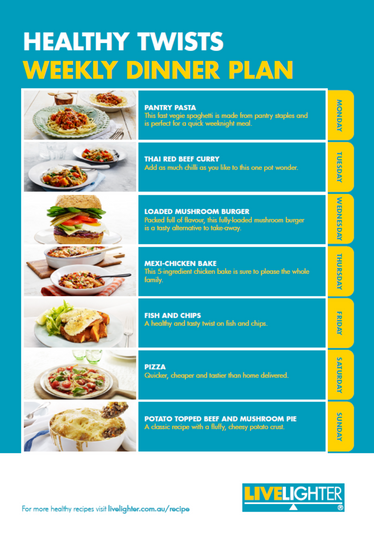

A shopping list ensures you buy only what you need, saving money and reducing trips.
Tips:
-
Group items by category: produce, grains, protein, dairy, pantry staples.
-
Check pantry for ingredients before shopping.
-
Buy frozen or seasonal produce to save money.
8. Make It Flexible
Quick meal planning works best when it’s adaptable:
-
Swap proteins based on availability or sales.
-
Use leftovers creatively to avoid waste.
-
Mix simple meals with batch-cooked items for variety.
Flexibility reduces stress and keeps meals enjoyable.
Frequently Asked Questions (FAQs)
1. How much time does quick meal planning take?
15–20 minutes a week is enough for basic planning, plus optional 30–60 minutes of meal prep.
2. Can quick meal planning save money?
Yes. Planning meals reduces takeout, limits food waste, and allows bulk purchasing.
3. How do I plan if I have picky eaters?
Include a few familiar foods each week and rotate new ingredients gradually. Make customizable meals like tacos, grain bowls, or wraps.
4. Are leftovers useful in meal planning?
Absolutely. Leftovers can become lunches or ingredients for new meals, saving time and money.
5. Can I still eat healthy with quick planning?
Yes. Focus on balanced meals with vegetables, lean proteins, whole grains, and healthy fats. Quick doesn’t mean unhealthy.
Conclusion: Simplify Your Week with Quick Meal Planning
Quick meal planning is the key to eating healthy, saving time, and reducing stress in the kitchen. By organizing your week, prepping ingredients in advance, and using versatile foods, you can create balanced, flavorful meals without the last-minute scramble.
Start small: plan just a few dinners this week, prep basic ingredients, and gradually build your weekly routine. With consistent planning, you’ll enjoy healthier meals, less stress, and more time for yourself and your family.