Eating healthy doesn’t mean sacrificing flavor or spending hours in the kitchen. With a few simple techniques and smart ingredient choices, you can prepare meals that are both nutritious and satisfying. Healthy cooking ideas focus on fresh ingredients, minimal processed foods, and balanced nutrition, so your meals support energy, immunity, and long-term wellness.
In this guide, you’ll find practical tips, cooking strategies, and meal ideas to make healthy eating easy, enjoyable, and sustainable.
Why Healthy Cooking Matters
Healthy cooking offers multiple benefits:
-
Better energy levels: Balanced meals keep blood sugar stable.
-
Weight management: Nutrient-rich meals help prevent overeating.
-
Improved digestion: Fresh vegetables and whole grains support gut health.
-
Heart health: Lean proteins and healthy fats reduce cholesterol risks.
-
Family wellness: Cooking at home ensures everyone eats wholesome meals.
Healthy cooking isn’t about restrictions—it’s about nourishing your body with flavorful, wholesome food.
1. Choose Fresh, Whole Ingredients
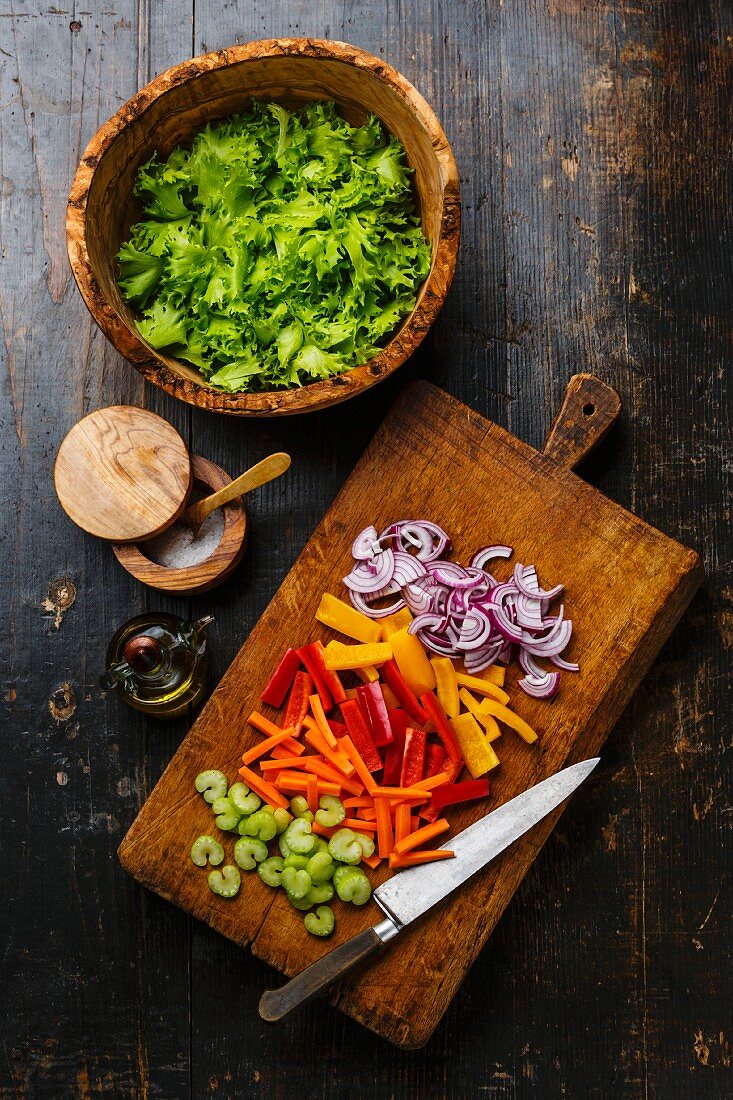
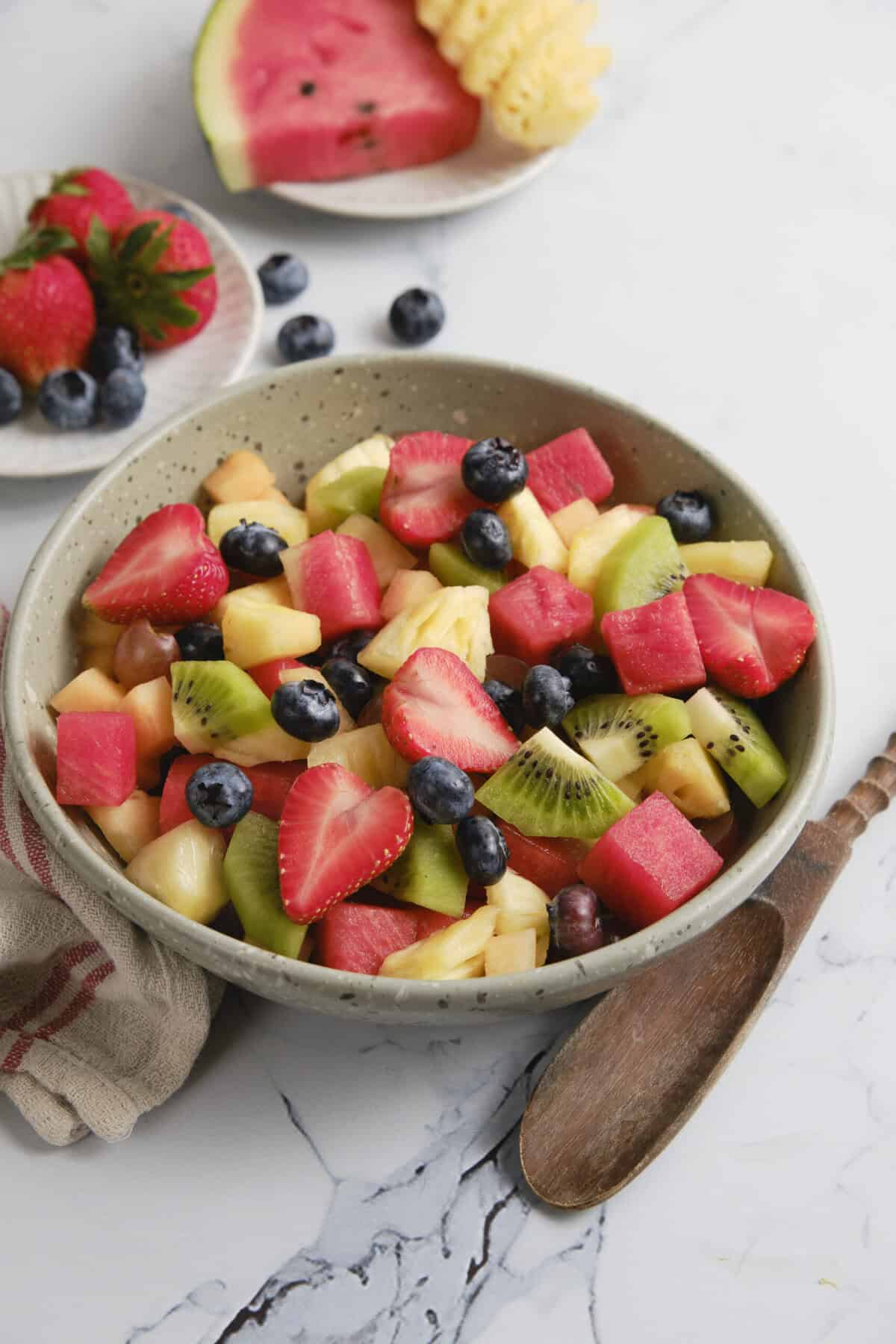

The foundation of healthy cooking is whole foods.
Tips:
-
Use fresh vegetables, fruits, and leafy greens.
-
Choose whole grains like brown rice, quinoa, or oats.
-
Select lean proteins such as chicken, fish, beans, or tofu.
-
Minimize processed foods high in sugar, salt, or unhealthy fats.
These ingredients provide essential vitamins, minerals, and fiber.
2. Use Healthy Cooking Methods


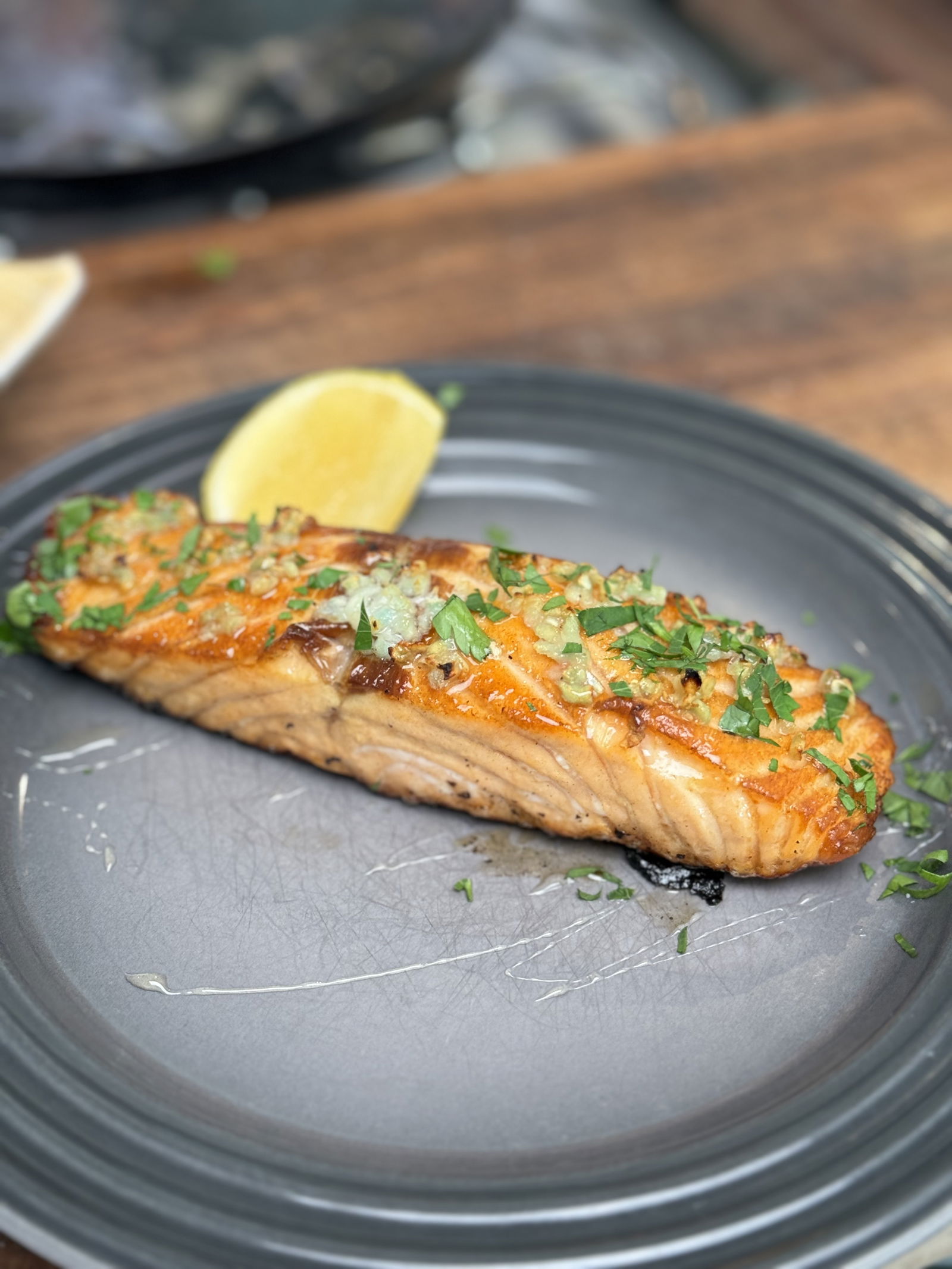
Cooking methods affect the nutritional value of food.
Healthy Techniques:
-
Steaming: Preserves nutrients in vegetables.
-
Grilling or Baking: Reduces fat while adding flavor.
-
Sautéing with small amounts of healthy oils: Use olive or avocado oil.
-
Stir-frying: Quick and retains texture and color of vegetables.
Avoid deep-frying or excessive oil to reduce calories and unhealthy fats.
3. Flavor Without Excess Salt or Sugar


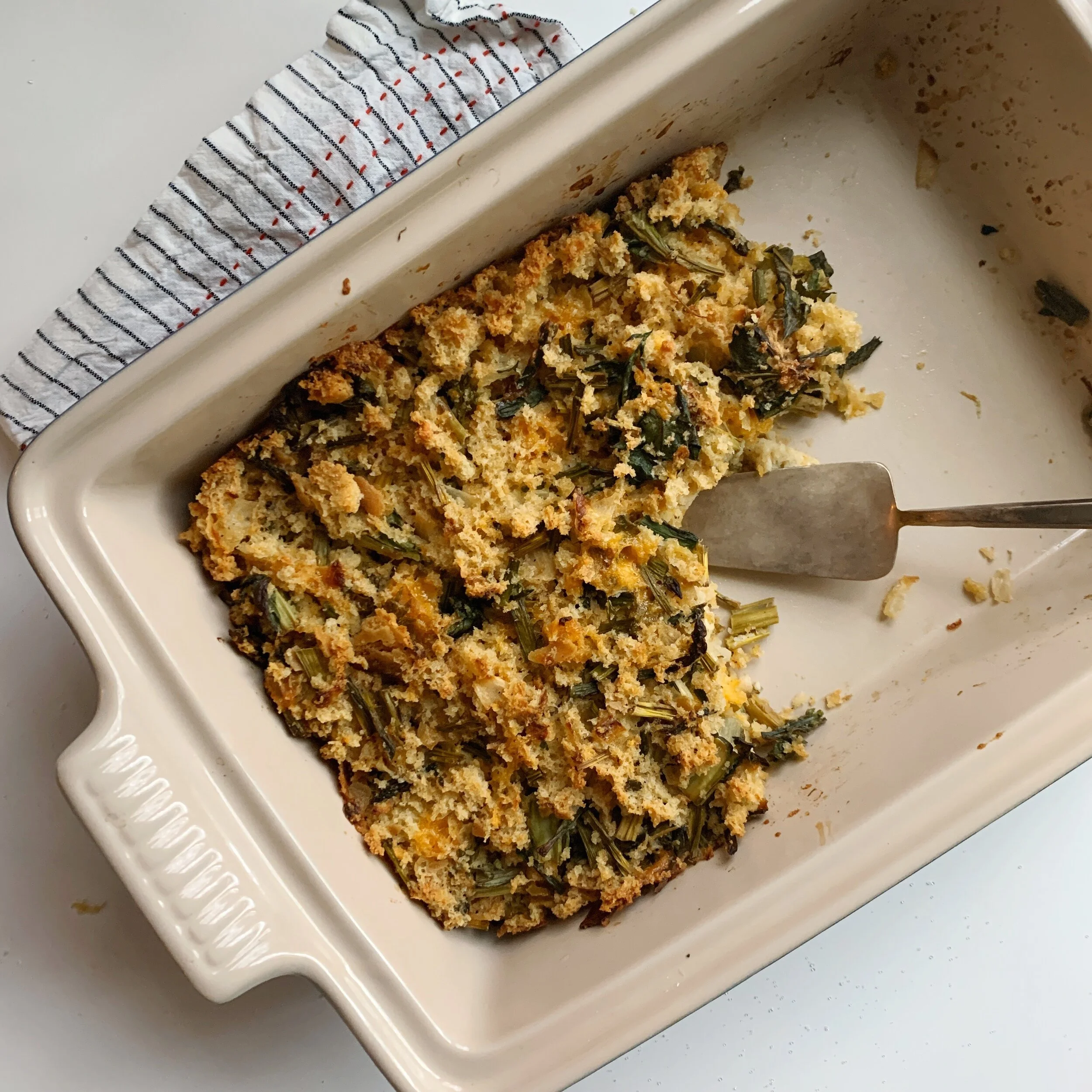
Herbs, spices, and citrus can enhance taste naturally.
Ideas:
-
Garlic, onion, and ginger for depth of flavor.
-
Fresh herbs like basil, parsley, cilantro, and rosemary.
-
Lemon or lime juice for brightness.
-
Smoked paprika or chili flakes for mild heat.
Gradually reduce salt and sugar to let natural flavors shine.
4. Balanced Meals on Your Plate
A healthy plate contains all key nutrients:
-
Half the plate: Vegetables and fruits
-
One-quarter: Lean protein (chicken, fish, beans)
-
One-quarter: Whole grains (brown rice, quinoa, barley)
-
Add healthy fats: Olive oil, avocado, nuts, or seeds
Following this structure ensures you get protein, fiber, vitamins, minerals, and essential fatty acids in each meal.
5. Quick Healthy Meal Ideas
Breakfast
-
Overnight oats with berries and chia seeds
-
Veggie omelet with spinach, mushrooms, and tomatoes
-
Greek yogurt with nuts and fruit
Lunch
-
Quinoa salad with chickpeas, cucumbers, and olive oil dressing
-
Whole-grain wrap with turkey, avocado, and spinach
-
Lentil soup with carrots and celery
Dinner
-
Baked salmon with roasted broccoli and sweet potatoes
-
Stir-fried tofu with bell peppers, snow peas, and brown rice
-
Chicken and vegetable sheet-pan dinner with olive oil and herbs
Snacks
-
Carrot or cucumber sticks with hummus
-
Fresh fruit with a handful of nuts
-
Boiled eggs or roasted chickpeas
6. Meal Prep Tips for Healthy Eating

-
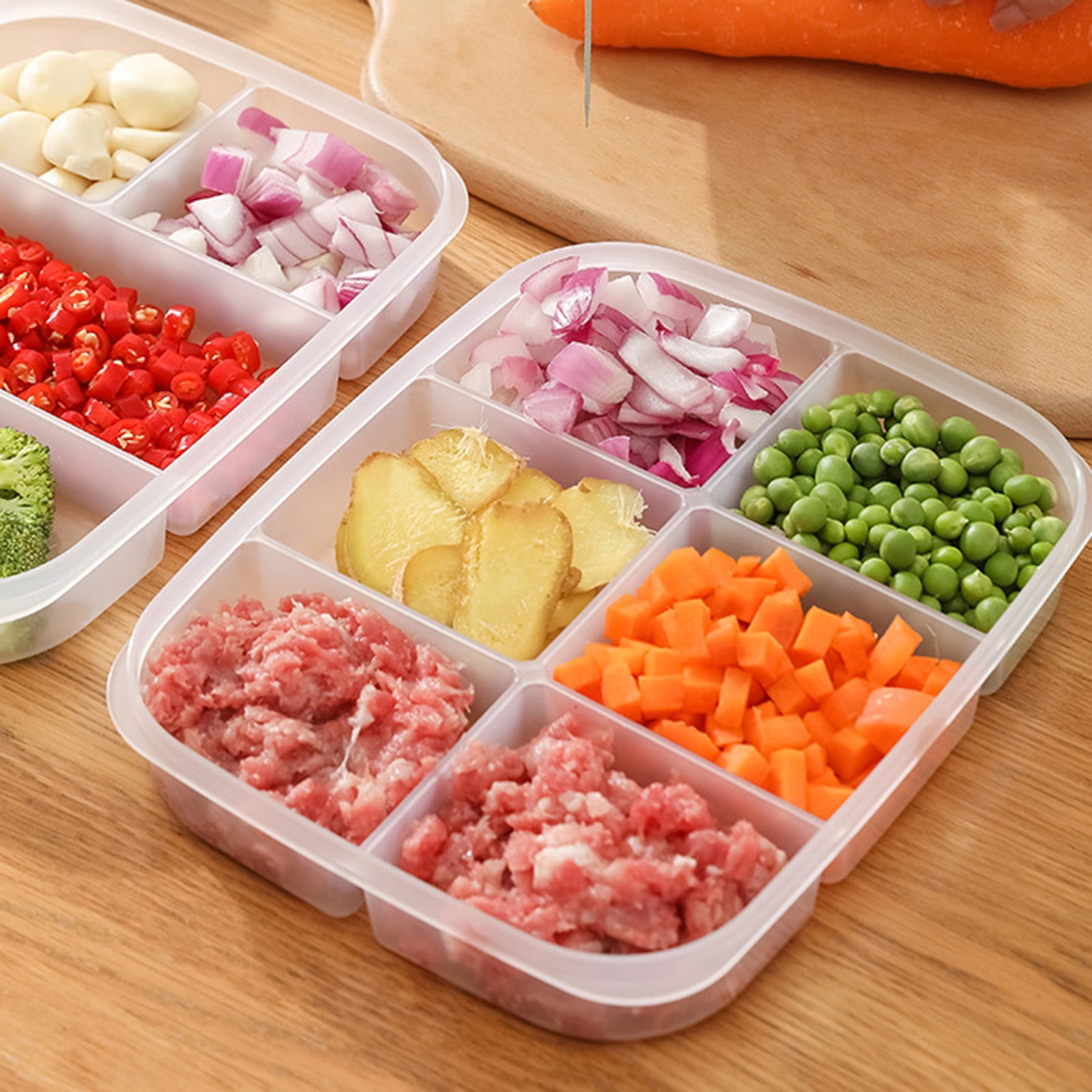
Cook grains and proteins in bulk to save time.
-
Wash and chop vegetables ahead of time.
-
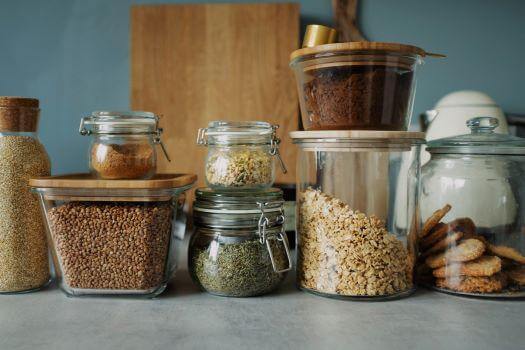
Store meals in airtight containers for grab-and-go convenience.
-
Plan 3–4 meals at a time to avoid unhealthy takeout.
Meal prep ensures consistency and helps maintain a healthy diet even on busy days.
7. Hydration and Cooking
Don’t forget liquids. Healthy meals are complemented by proper hydration:
-
Drink water throughout the day.
-
Include soups, stews, or smoothies made with vegetables and fruits.
-
Limit sugary drinks and sodas.
Water and healthy beverages support digestion and energy.
Frequently Asked Questions (FAQs)
1. How do I make meals healthy without spending too much?
Focus on whole grains, beans, seasonal vegetables, and lean proteins. Cooking at home and buying in bulk reduces costs.
2. Can healthy meals be quick to prepare?
Yes. One-pan meals, stir-fries, sheet-pan dinners, and batch-cooked grains make healthy cooking fast and convenient.
3. How can I add flavor without salt or sugar?
Use herbs, spices, garlic, ginger, citrus, and healthy oils to enhance taste naturally.
4. Are frozen vegetables healthy?
Absolutely. Frozen vegetables are harvested at peak ripeness and retain most nutrients.
5. Can healthy meals help with weight management?
Yes. Balanced, nutrient-rich meals support satiety, stable blood sugar, and long-term weight control.
Conclusion: Healthy Cooking Made Simple
Healthy cooking is about smart ingredient choices, balanced plates, and simple techniques that enhance flavor without compromising nutrition. You don’t need complex recipes to eat well—focus on fresh produce, lean proteins, whole grains, and healthy fats.
Start small by adding one new vegetable to each meal, experimenting with herbs and spices, or trying one-sheet-pan dinner this week. Over time, these small changes build a sustainable, healthy lifestyle that supports energy, immunity, and overall well-being.